

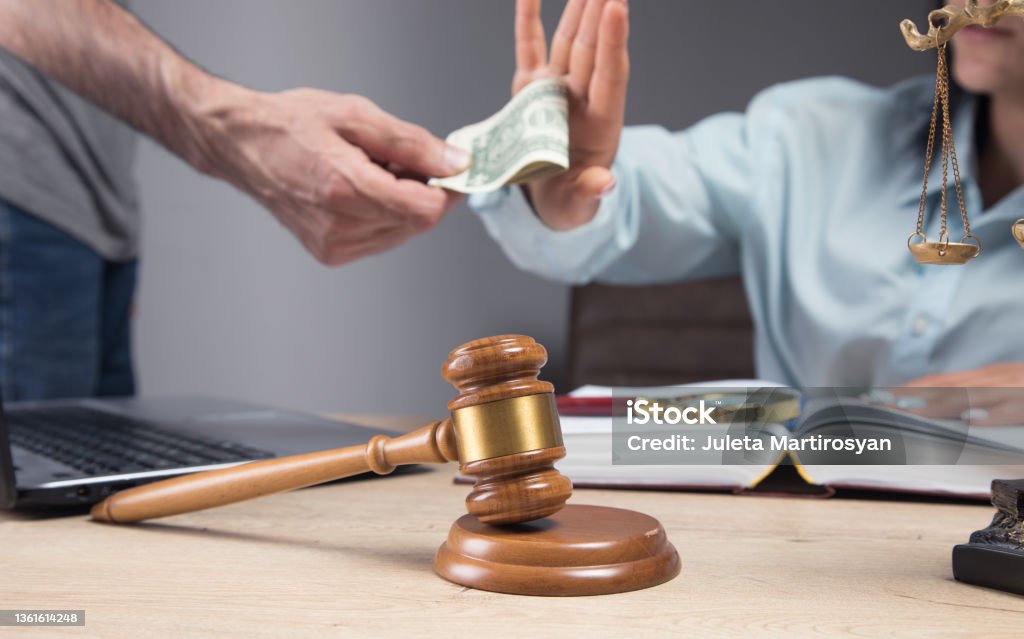
Imagine this: you’ve just received that eagerly anticipated gadget, only to find it’s a dud, or perhaps a service you paid for fell woefully short. You contact the seller, explain the situation, and expect a swift resolution – a refund, a replacement, anything. Instead, you’re met with a flat “no,” a dismissive shrug, or worse, complete radio silence. This isn’t just frustrating; it feels like a betrayal, and it leaves many buyers wondering what to do if seller refuses refund. As someone who has navigated these murky waters personally and professionally, I can tell you that you’re not powerless. There are concrete steps you can take, and understanding your rights is the first, most crucial defense in reclaiming what’s rightfully yours.
Document Everything Diligently
The bedrock of any successful dispute, especially when a seller refuses a refund, is meticulous documentation. Before you even think about escalating, gather every single piece of evidence related to your purchase. This includes receipts, order confirmations, product descriptions, screenshots of advertisements, and any correspondence you’ve had with the seller, whether via email, chat logs, or even text messages. Think of yourself as a detective building an airtight case; every detail, no matter how small it seems, could become a pivotal piece of evidence later on.
Beyond the initial purchase details, it’s vital to document the problem itself. Take clear photos or videos of defective items, noting dates and times. If it’s a service dispute, keep records of the promised work versus what was actually delivered, including any missed deadlines or poor workmanship. Maintain a chronological log of all communications with the seller, noting who you spoke with, what was discussed, and the outcome. This comprehensive paper trail will be invaluable as you progress through the various stages of seeking a resolution in 2026.
Leverage Consumer Protection Agencies
When direct communication fails and a seller steadfastly refuses a refund, it’s time to bring in the big guns: consumer protection agencies. In the United States, the Federal Trade Commission (FTC) is a powerful resource for reporting fraudulent or unfair business practices. While the FTC doesn’t typically resolve individual disputes, your complaint contributes to a larger database that helps them identify patterns of abuse and take action against unscrupulous businesses. This collective power is often underestimated by consumers.
Additionally, your state’s Attorney General’s office is another critical avenue. Many state Attorneys General have dedicated consumer protection divisions that can mediate disputes or even launch investigations into businesses that repeatedly violate consumer rights. Don’t forget about local consumer protection offices or Better Business Bureau (BBB). While the BBB isn’t a government agency, its complaint resolution process can often pressure businesses to resolve issues to protect their reputation. Filing a formal complaint demonstrates you’re serious about protecting your rights.
Payment Protection Mechanisms
One of the most effective tools at your disposal, particularly for online purchases or those made with credit cards, is the payment protection mechanism offered by your bank or payment processor. If a seller refuses a refund, initiating a chargeback through your credit card company or a dispute via platforms like PayPal can often yield results. These services act as intermediaries, reviewing the evidence from both sides before making a decision. It’s a powerful leverage point that many sellers would rather avoid.
To successfully file a chargeback or payment dispute, you’ll need all that documentation we discussed earlier. Clearly explain the situation, provide proof of purchase, and demonstrate that you attempted to resolve the issue directly with the seller. Be aware of the strict timelines involved; most credit card companies have a limited window—often 60 to 120 days from the transaction date—to initiate a dispute. Missing this window could significantly reduce your chances of recovery, so act swiftly once direct negotiation fails.
Understanding Chargeback Timelines
The window for initiating a chargeback is not indefinite, and understanding these crucial deadlines is paramount. Typically, major credit card networks like Visa, Mastercard, American Express, and Discover provide a dispute period ranging from 60 to 120 days from the date of the transaction or the date the services were supposed to be rendered. However, specific rules can vary by card issuer and the type of transaction. For example, some may extend the period for “services not rendered” or “merchandise not received.” Always consult your cardholder agreement or contact your bank directly for the precise timeframe applicable to your situation in late 2026.
Exploring Legal Avenues
When all other avenues are exhausted and a seller refuses a refund for a significant amount, small claims court might be your next step. This legal option is designed to be accessible to individuals without the need for expensive lawyers, making it a viable path for many consumer disputes. Each state has specific monetary limits for small claims cases, so check your local court’s website to ensure your claim falls within these parameters. The process typically involves filing a complaint, serving the seller, and presenting your case before a judge.
Preparing for small claims court requires diligence. You’ll need to organize all your documentation, including proof of purchase, communication logs, and any evidence of the defect or service failure. Be ready to articulate your case clearly and concisely. While you might not need a lawyer, understanding basic court procedures and having all your evidence readily available will significantly increase your chances of success. Though it can seem daunting, representing yourself in small claims court is often a straightforward process focused on facts and evidence.
Beyond Litigation: Alternative Solutions
Sometimes, the full weight of a courtroom isn’t necessary, or even desirable, to resolve a dispute. Alternative Dispute Resolution (ADR) offers less formal, often quicker, and more cost-effective ways to get a seller to provide a refund. Mediation, for instance, involves a neutral third party who helps both sides communicate and reach a mutually agreeable solution. The mediator doesn’t make a decision but facilitates the discussion, which can be incredibly effective when communication has broken down.
Another form of ADR is arbitration, where a neutral third party reviews the evidence and makes a binding or non-binding decision. Many contracts, especially for larger purchases or services, include arbitration clauses, meaning you might be required to go through arbitration before pursuing litigation. Websites like the American Arbitration Association provide resources for finding arbitrators. Exploring these options can save you significant time and stress compared to navigating the traditional court system, offering a pragmatic path when a seller refuses a refund.
Key Takeaways
- Document Everything: Maintain meticulous records of every interaction, purchase detail, and issue encountered. This includes receipts, emails, chat logs, photos, and videos. Your evidence is your strongest ally.
- Utilize Payment Protections: If you paid by credit card or through a service like PayPal, initiate a chargeback or dispute process promptly. These mechanisms offer powerful consumer safeguards with specific, often limited, timeframes.
- Engage Consumer Agencies: File complaints with governmental bodies like the FTC or your state’s Attorney General, and consider organizations like the Better Business Bureau. These entities may not resolve individual cases but can exert pressure and expose problematic businesses.
- Consider All Resolution Paths: From direct negotiation and ADR (mediation/arbitration) to small claims court, understand the various avenues available. Choose the path that best suits the value of your claim, the evidence you possess, and your willingness to pursue legal action.
Frequently Asked Questions
What if the seller is outside my country?
Dealing with international sellers can be more complex. Your credit card chargeback rights still generally apply. For disputes with EU-based sellers, you might have recourse through the European Consumer Centre network. Always check the consumer protection laws of the seller’s country, but often, payment processors are your best bet.
Is a verbal agreement legally binding?
While verbal agreements can be legally binding, they are notoriously difficult to prove in court without additional evidence. It’s always best practice to get all terms, conditions, and agreements in writing. If you only have a verbal agreement, any supporting evidence like text messages or emails that reference the agreement can strengthen your claim.
How long do I have to dispute a charge?
The timeframe for disputing a charge varies depending on your credit card issuer or payment platform. Most major credit card networks offer a dispute window of 60 to 120 days from the transaction date. PayPal typically allows 180 days. Always check your specific cardholder agreement or service terms for exact deadlines.
What if the item was sold “as-is”?
When an item is sold “as-is,” it generally means the buyer accepts the item in its current condition, with all known and unknown defects. This significantly limits your ability to claim a refund for defects discovered later. However, “as-is” typically doesn’t cover misrepresentation or fraud, so if the seller lied about the item’s condition, you might still have a case.
Conclusion
Navigating a situation where a seller refuses a refund can feel isolating and overwhelming, but remember that you have rights and various powerful tools at your disposal. From meticulous documentation to leveraging consumer protection agencies, payment processors, and even legal avenues, persistence is key. Empower yourself with knowledge, act decisively, and don’t let unscrupulous sellers get away with unfair practices. Your determination to seek justice not only helps you but also contributes to a fairer marketplace for everyone.